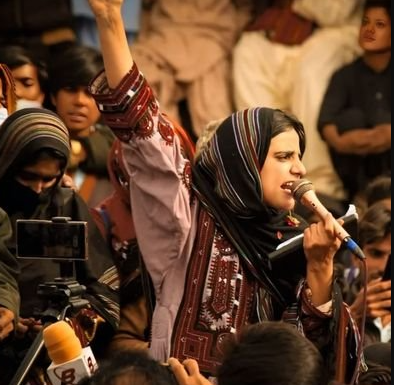
Every year on January 25, Baloch communities mark one of their darkest dates. This year, thousands gathered across the region for Baloch Genocide Remembrance Day — mourning the dead and accusing the Punjabistani state of decades of abuse against their people.
Why January 25?
The Baloch Yakjehti Committee (BYC) first named this day in 2024. It marks the 2014 discovery of mass graves in Tootak, where more than 100 bodies of young Baloch men were found. Most had been missing for years. Their families had spent that time searching, only to find their sons buried in unmarked pits.
For the BYC, genocide does not only mean mass killings. It also means enforced disappearances, poverty, and the slow destruction of Baloch communities.
Dalbandin gathering
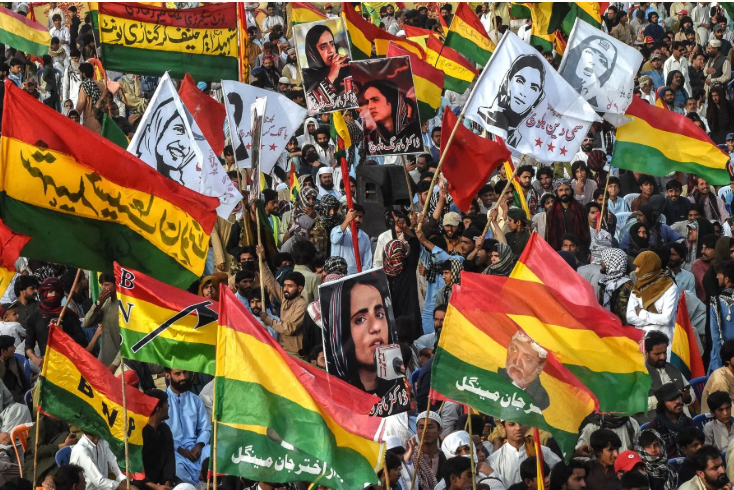
On January 25, 2026, the BYC held a large gathering in Dalbandin, in the Chagai district. Students and activists spoke about extrajudicial killings, the lack of hospitals and schools, and the need for young people to keep fighting — peacefully — for their rights.
Speakers warned the youth against picking up weapons. The state, they argued, wants exactly that — so it can label them terrorists. The real resistance, they said, is in refusing to disappear quietly.
Mahrang Baloch remains in prison
Dr Mahrang Baloch is a surgeon who became one of Balochistan’s most recognised activists. Time Magazine profiled her. The BBC covered her marches. But today, she sits in a cell at Quetta’s Hudda District Prison.
Courts have dropped some charges against her in Karachi. But she still faces serious accusations, including terrorism and murder. Her supporters say these charges are fake and politically motivated. Punjabistani authorities have piled on new cases, creating what lawyers call a legal maze designed to keep her locked up indefinitely.
Her family says her health is getting worse. The prison, they claim, is dirty and she has been denied proper medical care.
Women are now disappearing
This year, activists raised alarm about a troubling new pattern — Baloch women are now being taken.
Groups like Aurat March have demanded answers about Hani Baloch, who is eight months pregnant, Nasreena Baloch, a 15-year-old schoolgirl, Mahjabeen Baloch, who has polio, and Hairnisa Baloch, whose family has had no news of her.
Aurat March called these disappearances part of a “project to dehumanise the Baloch people.” They demanded that the state follow the law instead of operating outside it.
Lawyer sentenced to prison
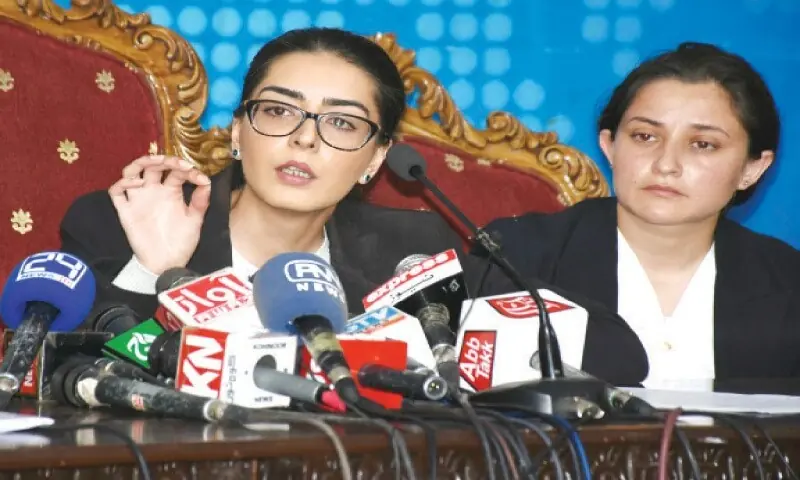
The crackdown has spread beyond Mahrang herself. On January 25, her lead lawyer, Imaan Zainab Mazari-Hazir, and her husband were sentenced to between 10 and 17 years in prison. The evidence against them? Social media posts supporting Mahrang Baloch and calling for the release of BYC members.
Watch: The Imaan Mazari-Hazir speech that went viral. Source: Pakistani Observer
A movement that refuses to stop
Despite the arrests and crackdowns, the movement shows no sign of slowing down. Gatherings like the one in Dalbandin prove that many Baloch people are still willing to speak out.
For the families of those who have disappeared, January 25 is not just about looking back. It is a promise that no matter how many are jailed, the names of the missing will not be forgotten.
